
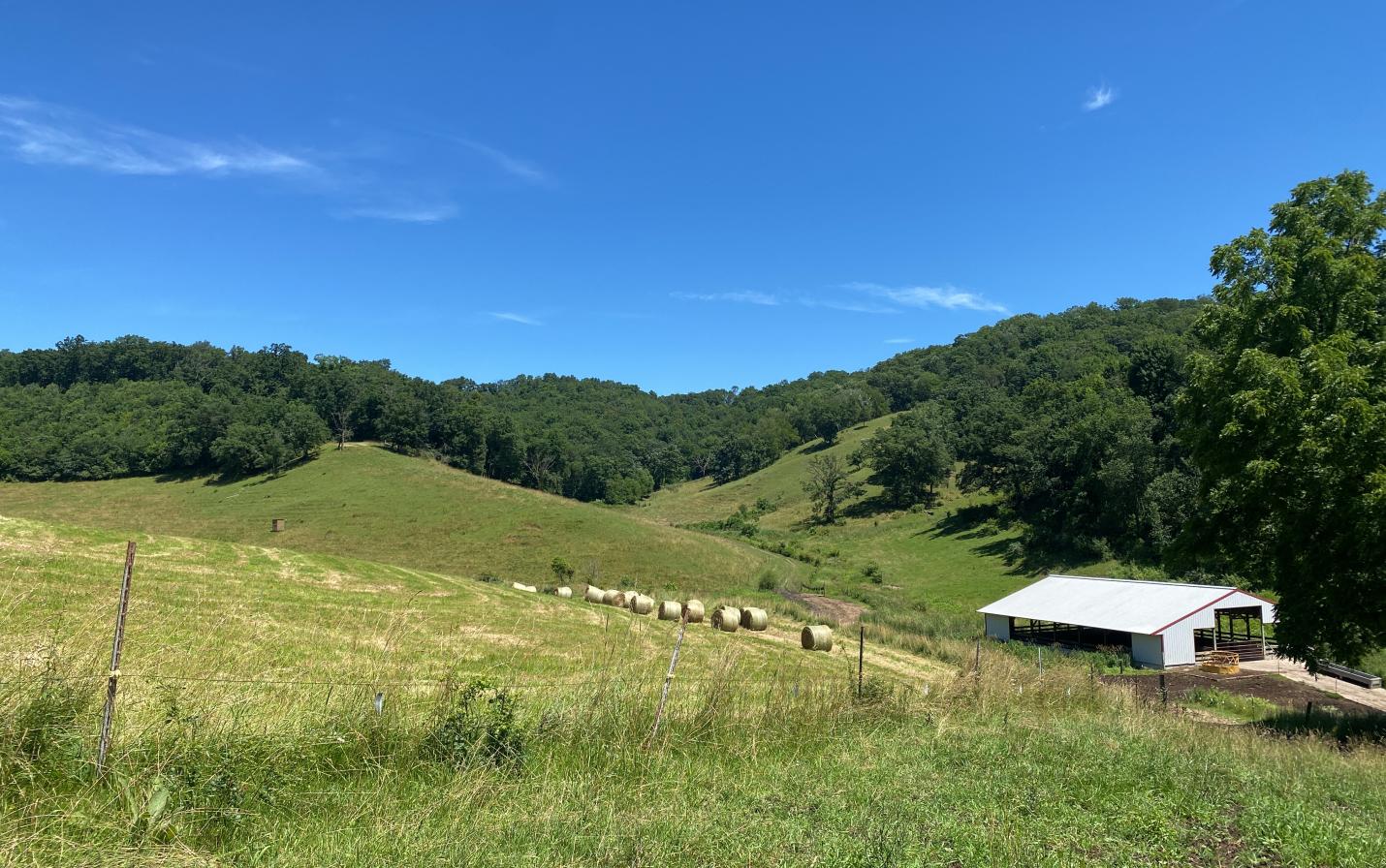
It started with a spontaneous turn down a quiet country road—and a knock on a stranger’s door that would shape the future of 118 acres for generations.
In 1980, Rick and Susan Case were young teachers dreaming of a little piece of heaven where they would have room to raise a family and a small herd of cattle. Although there was not a “for sale” sign, Rick randomly turned onto a road leading into a scenic valley and pulled up to the house. Susan looked at Rick with confusion, but after searching all over the area for land without luck, Rick said to just give him a minute. He knocked on the door and when the homeowner came out, he asked her if they would ever consider selling. She looked back into the house, perplexed, looked at Rick even more perplexed, and invited him in. It turns out that the lady’s husband was sitting at the table with the phone book open to the real estate section in the yellow pages. A math whiz, Susan started running numbers, they negotiated a price, bought the land and have been tending to the land with care ever since.
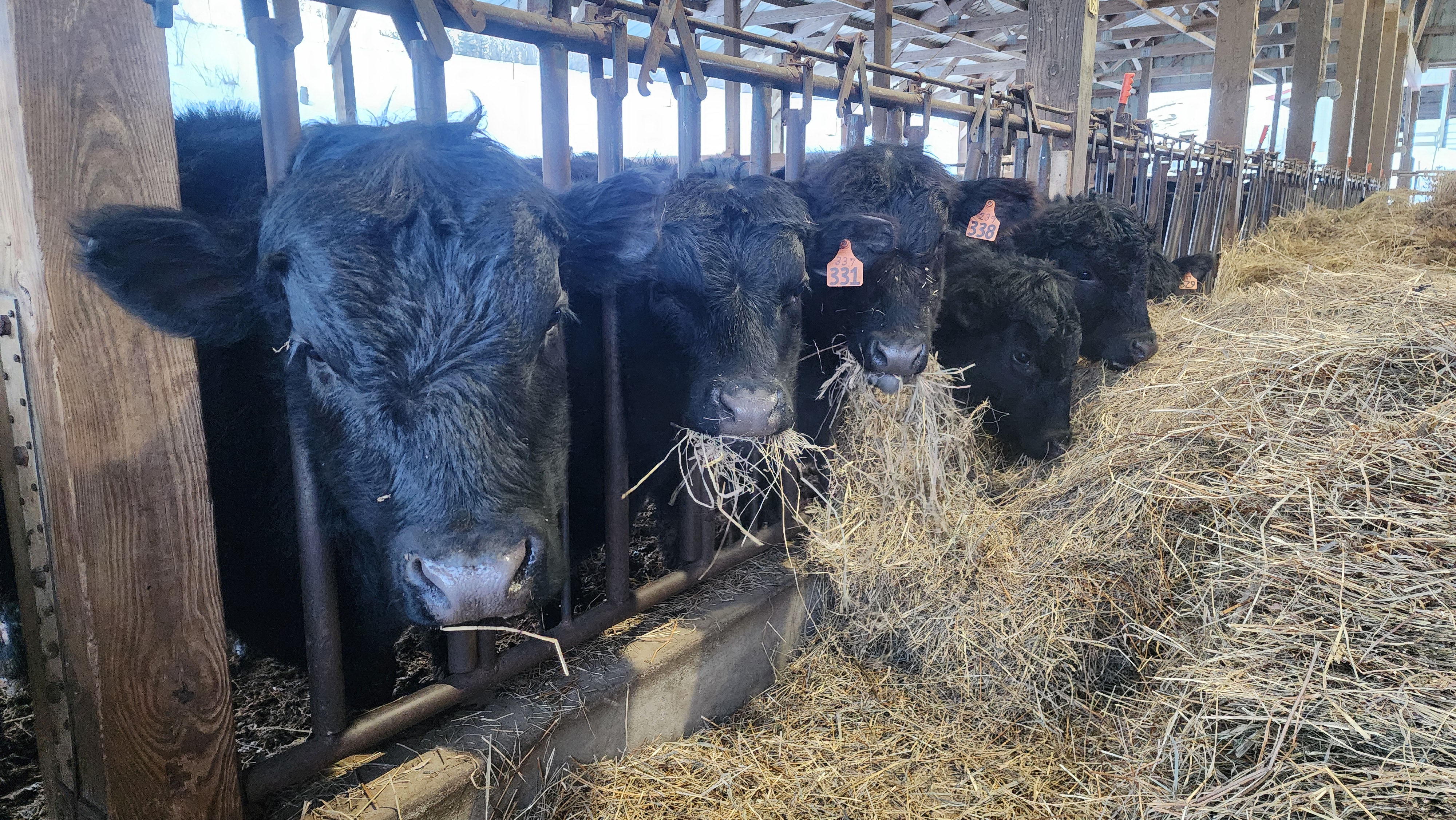
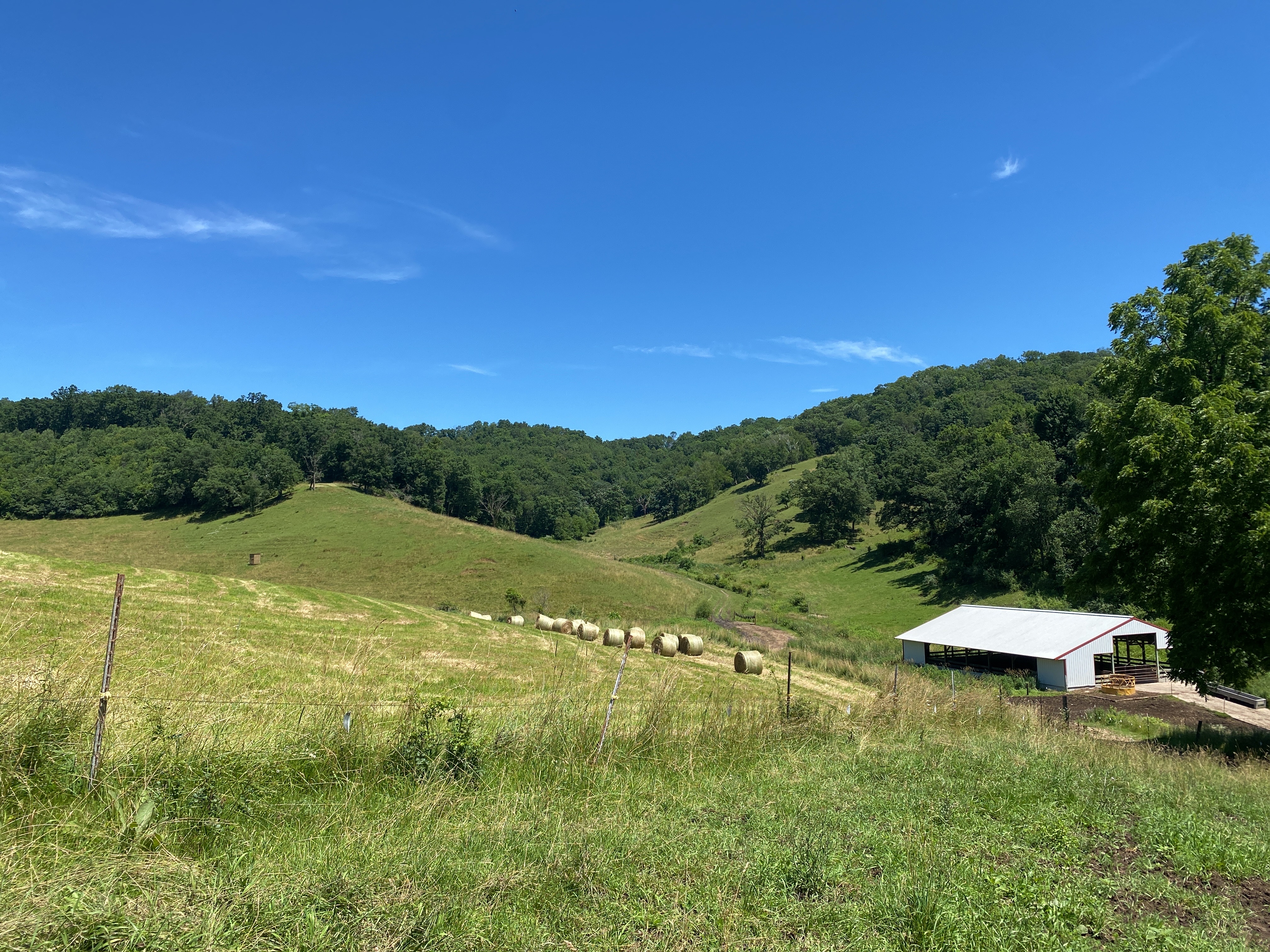
They were attracted to the land because it was south facing, included 0.25 miles of a tributary of Brush Creek, had fields for crops, had great potential for deer hunting, and space for their cattle. Susan was raised on a dairy farm, and Rick had run a beef operation, so they knew they wanted room to raise 25-40 head of cattle. The pasture space was limited, but “you don’t need more acres if you rotationally graze the property,” Rick explained. “We knew from the start that we wanted to rotationally graze to increase the carrying capacity of the land.” Nearly half of their land is now rotationally grazed and cut for hay, where they raise and sell Angus cattle.
Located just west of the Kickapoo River, their property is part of the watershed which feeds the river. Rick shared, “When we first bought the property, it was a conservation nightmare. A tributary of the creek used to run right through the barnyard that was in the valley.” Knowing all of the problems this could create, they knew that their first priority was to work with someone to identify the conservation issues and potential solutions. As the ag teacher at Brookwood High School (later called Norwalk-Ontario-Wilton High School), Rick spent a lot of time teaching conservation practices to his students, and he wanted to “walk the walk” and implement practices that were good for the land and wildlife long term. Their daughter Julie, a state FFA officer upon graduating from high school, went on to become a farmer as well, implementing lessons learned from her time on the farm, in the classroom, and in FFA.
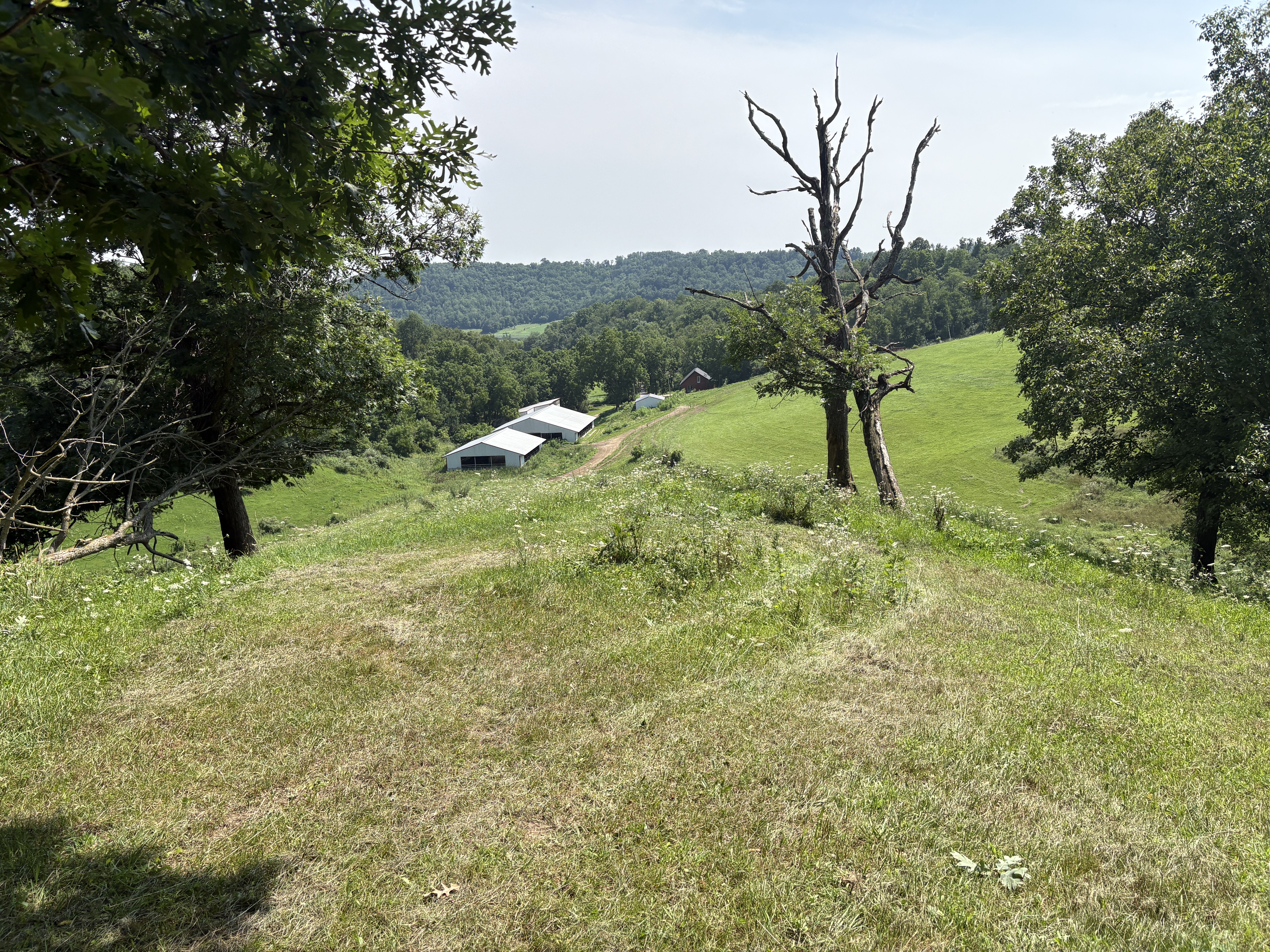
After researching their options, Rick and Susan reached out to Bob Micheel at the Monroe County Land Conservation Department. New to his position with the county all those years ago, Bob came out and took a look at the property, and they made a plan for how to reroute the water. Together, they developed a plan and were able to obtain cost-share assistance for flood abatement and an earthen dam was built. A diversion project was the first step, diverting as much clean water away from the dry lot as possible. The diversion was just the beginning. Rick knew that it was a problem to have so much manure in a valley near the creek, so Bob returned and they developed a manure management plan and found cost-share assistance to build a covered manure storage facility.
For years, Rick, Susan and Bob worked together on a variety of projects to protect and enhance the land and as the land changed, so did Bob’s title, eventually becoming the Monroe County Land Conservation Department Director. One day after Rick and Susan had called Bob to come over to assess what had been completed and look to the future, Bob stood at the top of the ridge, looked over the valley and told Rick, “We have pretty much used all of the tools in my tool box, and I just don’t think there is another thing we could possibly do to improve this property.”
Although there weren’t any new conservation projects to tackle, after decades of working to protect this special property, Rick and Susan knew that they wanted to be sure that the land was protected forever and they reached out to the Mississippi Valley Conservancy for help. Several staff members of the Conservancy walked the land and they were amazed to discover seven distinct ecosystems on the property. Over time, they learned more about each unique area on their farm, including the discovery of a vulnerable sedge meadow on the property, which had been protected because Rick and Susan had fenced it off to keep the cattle from going in that area. Once widely spread around Wisconsin, sedge meadows are now rare as they have largely been drained or removed for housing development or agricultural use but have great value in flood water storage and wildlife habitat.
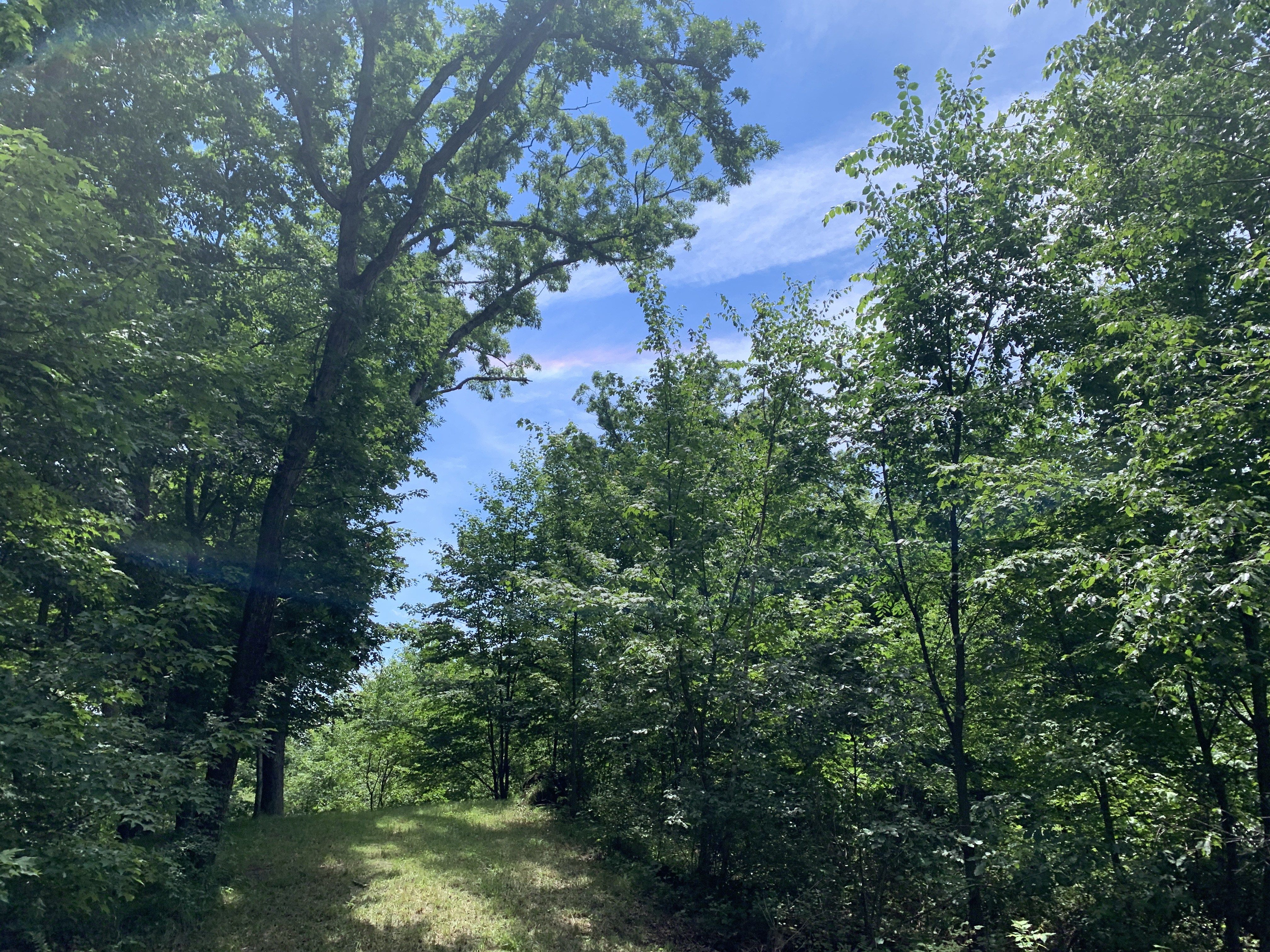
Stewardship Specialist Connor Kotte identified more than 50 species of breeding birds on just one visit to the property in early July. As he hiked alongside Rick through the rolling hayfields, across the trickling wetlands, and over the wooded bluffs, Connor was astounded by the amazing diversity of birds that the 118 acres support. Connor and Rick spotted savannah sparrows, eastern kingbirds, and American goldfinches utilizing the hayfields. They enjoyed watching common yellowthroats, gray catbirds, and indigo buntings catch insects around the wetlands, and red headed woodpecker (a species of special concern in Wisconsin), targeting deadfall for insects along the edge of the pasture.
Throughout the woodlands, they listened to singing interior forest birds, such as American redstart, red-eyed vireo, scarlet tanager, ovenbird, yellow billed cuckoo, and many others. A portion of the property is located within the Kickapoo Valley Reserve-Wildcat Mountain Important Bird Area, a stretch of land from Ontario to La Farge that contains the most intact forests in the entire Driftless Area. Rick and Susan’s property, and their decision to protect it with a conservation easement, is one more important piece that fits into the larger puzzle of bird conservation in Wisconsin.
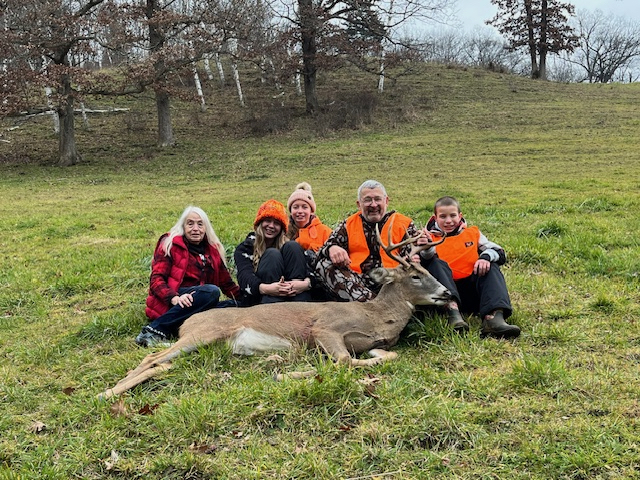
The forested ridgelines are an important path for migratory birds and are actively managed through their Wisconsin Managed Forestry Law program contract and management plan, including regular timber harvests, forest improvement activities, and maintaining trails. These management plans have enhanced this wildlife sanctuary over time with an emphasis on supporting hickory, cherry, red oak and white oak. All of these conservation activities also support Rick’s passion: management of white-tailed deer habitat. For years, Rick has hunted with recurve bows and has decades of stories of memorable hunts with friends and family on this land.
As they laid out plans to set up a conservation easement, Rick and Susan worked with the Conservancy team to identify the most important ways to protect the land over time. Every conservation easement the Conservancy accepts is unique to the specific property and the wishes of the landowner for the future of the land. Rick & Susan will continue to own and live on the land, and the conservation easement includes an area designated for buildings. Based on the agreement they drafted, agricultural practices on the farm are limited to grazing, hay, or perennial crops – no part of the property may be converted to annual row-crops in the future.
“This land is part of the fabric of our being, and this easement is the only way we can control it and protect it from the grave,” Rick shared. The conservation easement was finalized on June 8, 2026 and is recorded at the register of deeds. The restrictions pertain to all future owners of the property. At no point in the future can the land be subdivided, developed, or mined, and forest management activities require an approved management plan.
As the research into the history of the land unfolded, they discovered a document showing that in 1873 when a Civil War soldier returned from war, he was given 180 acres for his years of service. And at the bottom of that document was the signature of Ulysses S. Grant. With this revelation, the Case family became even more connected to the land because of their son’s story. When their son Jason was just old enough to help with the hay harvest, the family was up on top of the ridge throwing the haybales on the wagon when an A-10 Warthog flew low directly over the farm. Jason looked at the plane and at his parents and told them he was going to fly one of those someday. He held true to his word. Lt. Colonel Jason R. Case (retired) spent his entire career flying A-10 Warthogs for the Air Force and it all began on a tiny farm in Monroe County.
In recognition of all of the conservation practices implemented over the past four decades, Rick and Susan were awarded the Monroe County Conservation Farmer of the Year award in 2021. “Rick and Susan are not just all talk. They are a voice for the land, and they do what they believe in. Their land is their greatest resume,” Bob shared.
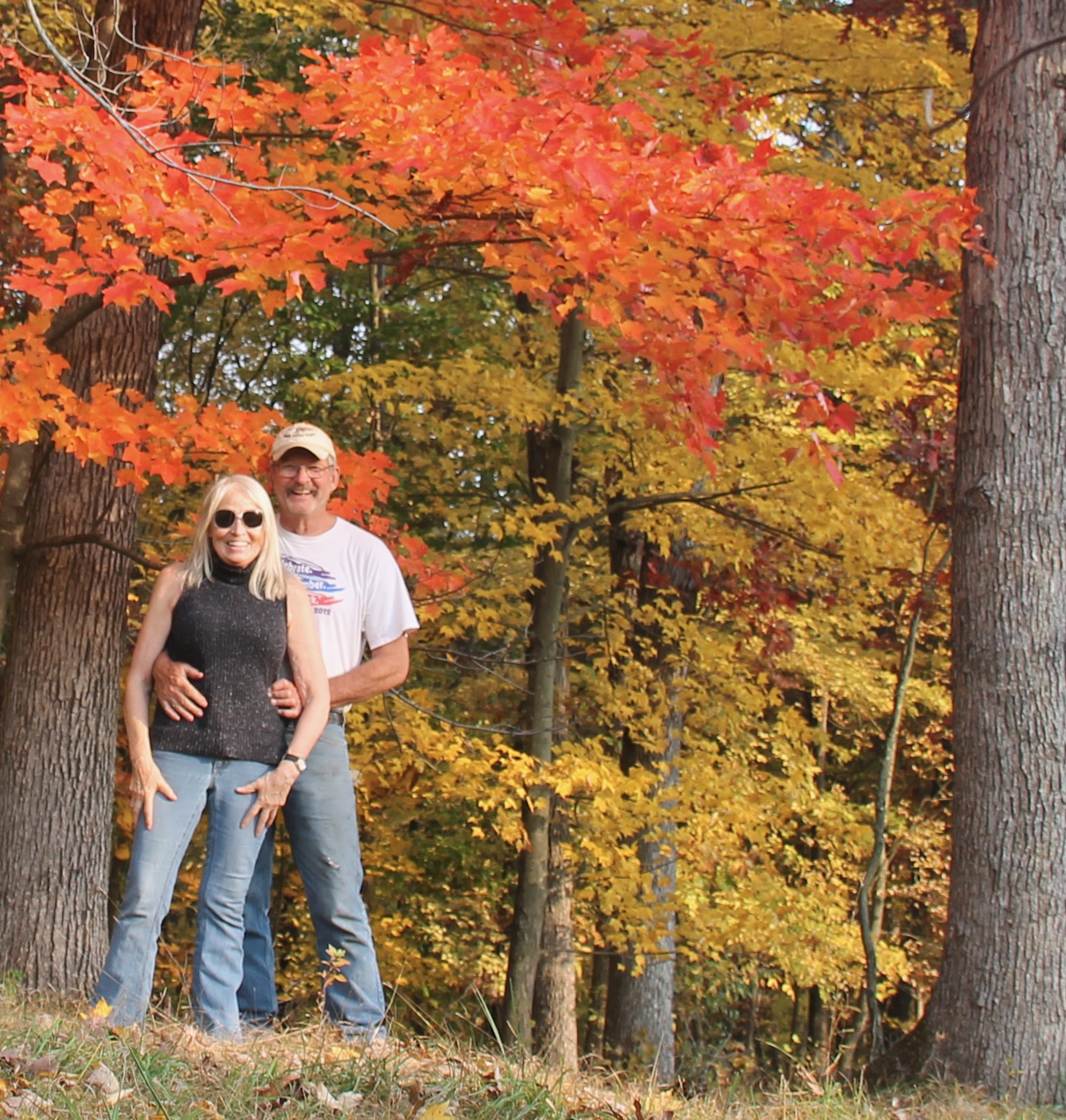
“Our hope is that others in the area will see what we have done and join us in protecting the unique land which so many take for granted,” Rick said. “As more and more properties are being converted to small lots with homes, there is less and less land for wildlife. We want our property to be an island of natural space forever.” Rick and Susan explained that many who have visited their land have asked them if they understand that they have essentially created a state park in their own backyard. Nothing could make them more proud.